
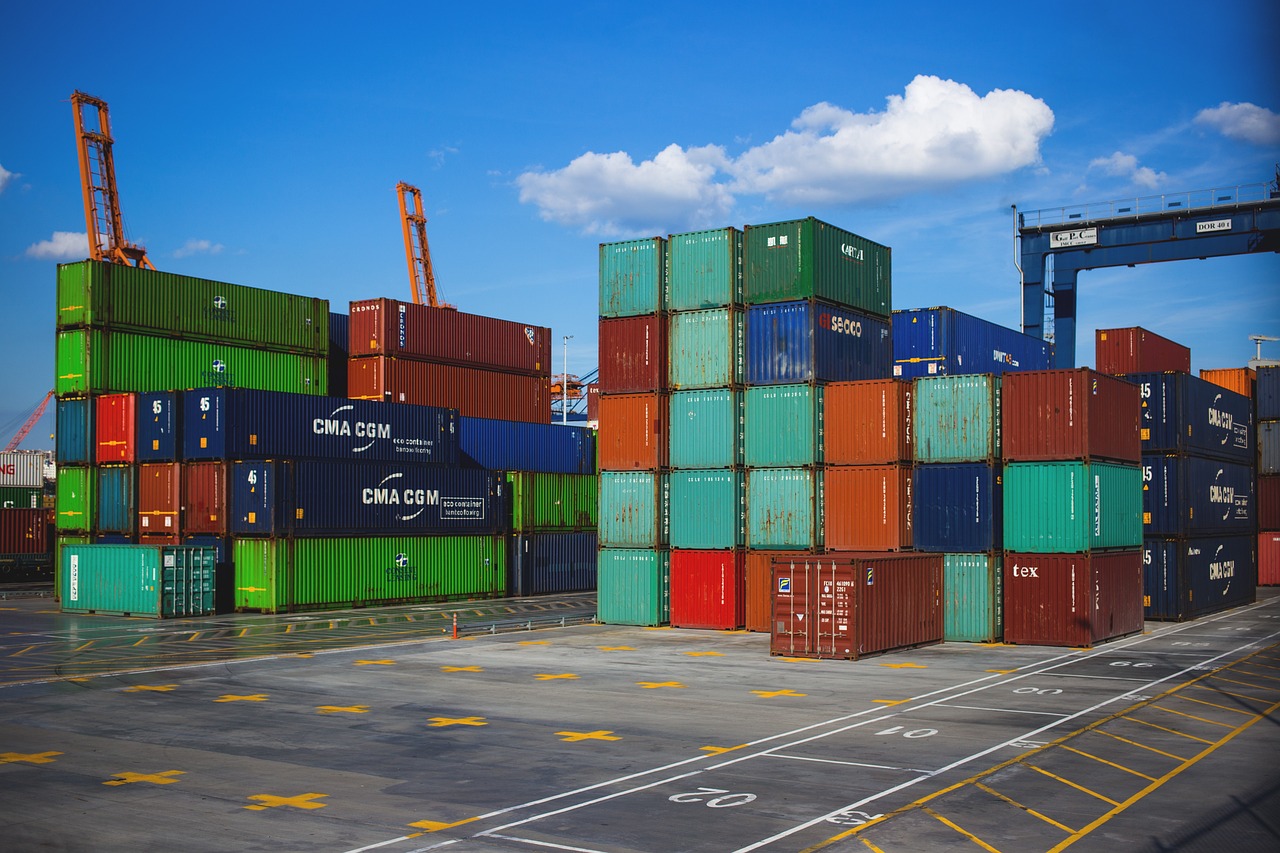
Blue box storage containers have become a go-to solution for people who want better control over their space. Whether you’re clearing out a garage or organising a warehouse, the right container makes a measurable difference. This guide covers what blue box containers offer, how to pick the right one, and how to get the most out of them at home or at work.
Why Choose Blue Box Storage Containers?
Blue box storage containers offer several advantages over traditional storage options. Here are some reasons to consider using them:
Durable and long-lasting: Blue boxes are made from high-quality, durable materials that can withstand rough handling and harsh weather conditions. This makes them a reliable option for long-term storage needs.
Versatile: Blue boxes come in different sizes and shapes, making them suitable for various types of items, from small household items to larger equipment or inventory. They also have customizable features such as dividers and shelves for better organization.
Stackable: Many blue box containers have interlocking lids and stackable designs, allowing you to maximize vertical space
Why Blue Box Storage Containers Work
The appeal of blue box storage is straightforward: visibility and standardisation. The blue colour makes containers easy to spot in a crowded storage area, reducing the time spent searching for items. Stackable designs maximise vertical space, which matters when floor space is limited. They’re also durable — quality blue box containers are typically made from high-density polyethylene (HDPE), which resists cracking, moisture, and UV damage over time.
For businesses, consistent sizing across a container range simplifies shelving, labelling, and inventory management. For households, it brings order to spaces that tend to accumulate clutter — think attics, sheds, and under-stair cupboards.
How to Choose the Right Blue Box Container
Size and load capacity are the two factors that matter most. A container that’s too large becomes unwieldy; one that’s too small gets overfilled and loses structural integrity when stacked. Before purchasing, measure your storage space and consider the weight of what you plan to store. Heavy items like tools or books need a container with a reinforced base and a secure lid.
Look for containers with interlocking lids if they’ll be stacked — this prevents shifting and collapse. Handles on both sides are worth prioritising for anything that will be moved regularly. If the containers are going into a damp environment like a garage or shed, check that the lid creates a proper seal.
Practical Applications at Home and in Business
At home, blue box containers work well for seasonal storage — rotating summer and winter clothing, storing holiday decorations, or organising sports equipment. Labelling the exterior of each container saves significant time when you need to retrieve something months later.
In a business setting, blue box containers are commonly used in logistics, retail stockrooms, and light manufacturing. They support efficient picking and packing processes and slot neatly into standard racking systems. For businesses running regular stock audits, a colour-coded system — where blue boxes indicate a specific category of goods — reduces errors and speeds up counts.
Getting the Most Out of Your Blue Box Storage
The biggest mistake people make with storage containers is underusing vertical space. If your containers are stackable, build upwards rather than spreading outwards. Fix shelving to walls where possible so that containers sit at accessible heights rather than forming precarious towers on the floor.
Group containers by frequency of use. Items you access weekly should be at eye level; things you retrieve once a year can sit higher up. Inside each container, use dividers or smaller boxes to keep contents from shifting — this is particularly useful for tools, craft supplies, or small components in a workshop.
Reviewing your storage setup twice a year keeps it functional. Containers that are rarely opened often hold items that can be donated or discarded, freeing up space for things that actually need storing.
Storage Done Right
Blue box storage containers are a practical investment that pays off through better organisation, saved time, and more efficient use of space. The key is choosing containers suited to your actual needs — the right size, the right load capacity, and the right features for your environment. Once in place and consistently maintained, a good storage system removes daily friction and keeps your space working for you.