Animation is a discipline where technical skill and creative vision are inseparable. Professional animation studios are not improvising—they are executing a tightly coordinated process, supported by specialised tools and experienced teams. Understanding how they work helps you appreciate the craft, and make more informed decisions when choosing a studio for a project. In this article, we will explore the key elements that make a professional animation studio stand out.
Cutting-Edge Technology
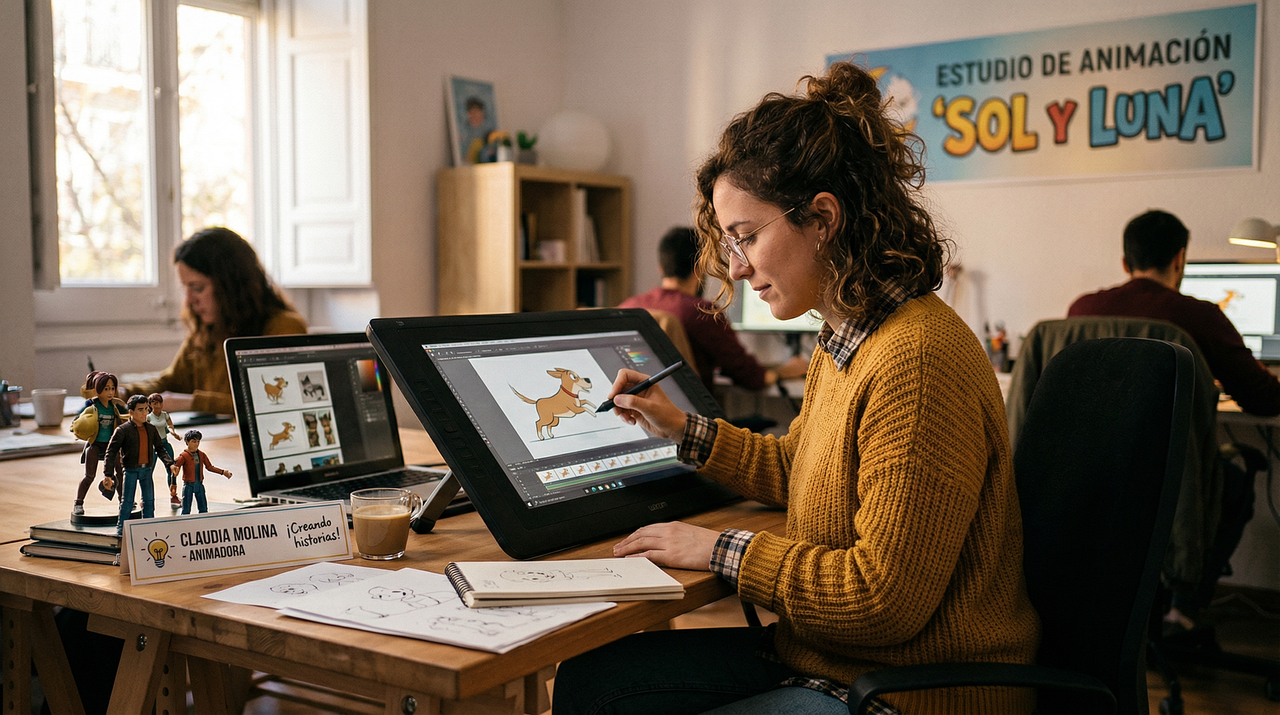
Animation studios invest heavily in cutting-edge technology to achieve high-quality results. Whether it’s 2D or 3D animation, studios use powerful software such as Maya, Blender, or Adobe Animate to bring their ideas to life. These software packages have advanced features and tools that enable artists to create detailed and realistic animations.
In addition to software, professional animation studios also utilize top-of-the-line hardware such as computers with high processing power and graphic cards for rendering complex animations. This allows them to produce visually stunning work within tight deadlines.
How Studios Shape Stories From the Start
The best studios don’t start with software. They start with story. Before a single frame is drawn, a team of writers, directors, and creative leads work together to establish the narrative foundation. This includes character development, tone, pacing, and visual style. Getting this right early prevents expensive revisions later in production.
Studios that skip or rush this stage tend to produce work that feels technically polished but emotionally flat. The story is what gives the animation its reason to exist. It’s what connects with audiences and creates a lasting impact.
As a software developer, you may not be involved in the storytelling process. However, it is important to understand the storytelling aspect of animation as it greatly influences the development of the final product.
What the Animation Production Process Actually Looks Like
Professional animation follows a structured pipeline: pre-production, production, and post-production. Pre-production covers scripting, storyboarding, and concept art. Production is where animation, rigging, and rendering happen. Post-production brings in sound design, colour grading, and final edits.
Each phase depends on the one before it. A weak storyboard creates problems in production. Poorly rendered assets slow down post-production. The pipeline discipline that professional studios maintain is what separates them from less experienced teams.
The Tools Professional Animation Studios Use
Modern studios work across a range of industry-standard software. Autodesk Maya and Cinema 4D are widely used for 3D animation. Adobe After Effects handles motion graphics and compositing. For 2D animation, Toon Boom Harmony remains the professional standard across broadcast and film.
The tools matter, but knowing how to use them strategically matters more. A studio’s technology stack should match the demands of the project—feature film production requires different infrastructure than a short-form social media campaign.
The People Who Build Characters and Worlds
Software produces nothing on its own. The animators, riggers, lighting artists, and sound designers working inside a studio are the ones who translate technical capability into something audiences actually connect with. Character animation, in particular, depends on a deep understanding of human movement, timing, and emotion.This is where experienced studios demonstrate their value most clearly. Junior animators can follow a brief; senior ones can challenge it, improve it, and bring something unexpected to the work.
The Lasting Impact of Animated Storytelling
Animation reaches audiences that other formats often miss. It crosses language barriers, works across age groups, and can communicate complex ideas with clarity and speed. Studios that understand this produce work that performs well beyond its initial release window.
From brand storytelling to educational content to feature films, animation has expanded its influence considerably over the past two decades. Studios that combine technical output with genuine creative thinking are the ones producing work that lasts.
Choosing the Right Animation Studio for Your Project
Not every studio is the right fit for every project. When evaluating options, look at their production pipeline, their previous work across different formats, and the seniority of the team you’ll actually be working with. A compelling showreel means little if the people who made it are no longer at the studio.
Ask about their pre-production process. A studio that invests time in story development and concept work before production begins is far more likely to deliver something that holds up.